Mastering Investor Psychology: How to Stay Rational in a Volatile Market
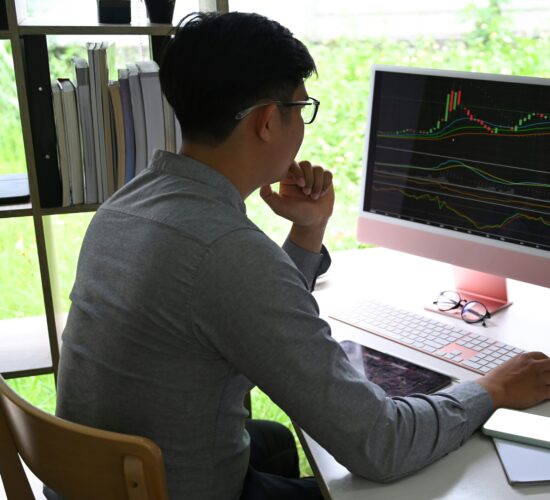
Investing is as much a mental game as it is a financial one. While numbers, charts, and economic data drive market decisions, human behavior and psychology often play an even more significant role in shaping investment outcomes. Fear, greed, overconfidence, and herd mentality can cloud judgment and lead to poor decision-making. Understanding these emotional triggers and learning how to manage them is essential for long-term investment success.
This article explores the psychological factors that influence investing and provides practical strategies to help investors stay rational and make sound decisions even when markets become turbulent.
Understanding Emotional Biases in Investing
Emotional biases are mental shortcuts that can distort our perception and judgment, often leading to irrational decisions. One of the most common emotional biases in investing is loss aversion, where the pain of losing money feels stronger than the joy of gaining the same amount. This bias can cause investors to sell winning investments too early to “lock in” gains, while holding on to losing ones in hopes of a rebound that may never come.
Another powerful bias is confirmation bias, where investors seek information that supports their existing beliefs and ignore evidence that contradicts them. This can prevent them from objectively assessing investment opportunities and risks. Being aware of these biases is the first step toward reducing their impact on investment decisions.
The Impact of Fear and Greed on Market Behavior
Fear and greed are two powerful emotions that can drive market cycles and individual investment choices. During market downturns, fear can cause panic selling, even when fundamentals remain sound. This behavior often leads to unnecessary losses and to missing out on eventual recoveries. Conversely, during bull markets, greed can drive investors to chase returns and take on excessive risk, ignoring warning signs and overvaluing assets.
Recognizing how these emotions manifest can help investors build better habits. Instead of reacting emotionally, disciplined investors rely on research, diversification, and long-term planning. Keeping a clear perspective during extreme market conditions is crucial to avoiding costly mistakes.
The Role of Herd Mentality in Investment Decisions
Herd mentality occurs when individuals mimic the actions of a larger group, often without independent analysis. In investing, this behavior can be dangerous, especially during speculative bubbles. When investors see others buying into a particular stock or asset, they may follow suit for fear of missing out, even if the investment lacks solid fundamentals.
History is filled with examples of herd-driven bubbles, such as the dot-com crash or the housing market collapse. Investors who unthinkingly follow the crowd risk buying at inflated prices and suffering significant losses when the bubble bursts. Developing the discipline to think independently and evaluate investments on merit is key to avoiding herd-driven pitfalls.
Overcoming Overconfidence and the Illusion of Control
Overconfidence bias leads investors to overestimate their knowledge, abilities, or control over outcomes. This can result in excessive trading, under-diversification, and unrealistic expectations. Believing one can time the market or predict short-term movements with accuracy is a common manifestation of this bias.
The illusion of control can also lead to taking unnecessary risks. For instance, investors might believe they can “beat the market” by constantly tweaking their portfolios. However, studies show that frequent trading often reduces returns due to transaction costs and timing errors. A better approach is to set realistic goals, follow a consistent strategy, and resist the urge to micromanage investments.
Developing a Long-Term Investment Mindset
A long-term perspective helps investors look past short-term noise and focus on sustainable growth. Short-term market fluctuations often trigger emotional decision-making, but successful investing typically requires patience and a commitment to long-term objectives. Markets will always experience volatility, but history shows that disciplined investors are rewarded over time.
By setting clear financial goals and aligning investments with those objectives, individuals can reduce the emotional impact of market ups and downs. Reviewing a well-thought-out plan can serve as a reminder of the bigger picture and help investors stay the course during uncertain times.
Strategies to Avoid Emotional Investing
There are several practical strategies to minimize emotional decision-making. One is creating and sticking to a written investment plan that outlines asset allocation, risk tolerance, and investment goals. This plan acts as a roadmap and helps maintain focus during turbulent times.
Automating investments through systematic contributions, such as dollar-cost averaging, can also reduce the temptation to time the market. Additionally, setting rules for rebalancing portfolios at regular intervals can help maintain discipline and keep asset allocations in check, free from emotional interference.
The Value of Education and Professional Guidance
Investor education is critical in building confidence and reducing emotional mistakes. Understanding how markets work, the role of diversification, and the impact of fees empowers individuals to make informed choices. Education helps demystify market movements and fosters a rational mindset.
Working with a financial advisor can provide an additional layer of discipline and perspective. Advisors can offer objective guidance, help investors stay focused on their goals, and act as a buffer during emotional periods. Whether self-directed or assisted, informed investors are better equipped to avoid reactive decisions.
Building Habits for Rational Investing
Developing habits that encourage rational thinking can improve investment outcomes over time. One effective habit is to regularly review portfolio performance against long-term goals rather than focus on daily fluctuations. This reduces the emotional weight of short-term losses and reinforces a goal-oriented mindset.
Another habit is journaling investment decisions, including the reasons behind them and the emotions felt at the time. This practice can highlight patterns of emotional behavior and help investors identify areas for improvement. Over time, building these habits fosters self-awareness and better decision-making.
Emotions are an inevitable part of the investing experience, but they do not have to control your decisions. By recognizing common psychological pitfalls, developing disciplined habits, and focusing on long-term goals, investors can improve their outcomes and reduce regret. Mastering the psychology of investing is not about eliminating emotion; it is about learning to navigate it wisely. With the right mindset and strategies, anyone can become a more rational and successful investor.
Additional Information
- Blog
- human behavior, investing experience, micromanage investments
- Winston Feng