How Market Volatility Impacts Long-Term Investment Strategies
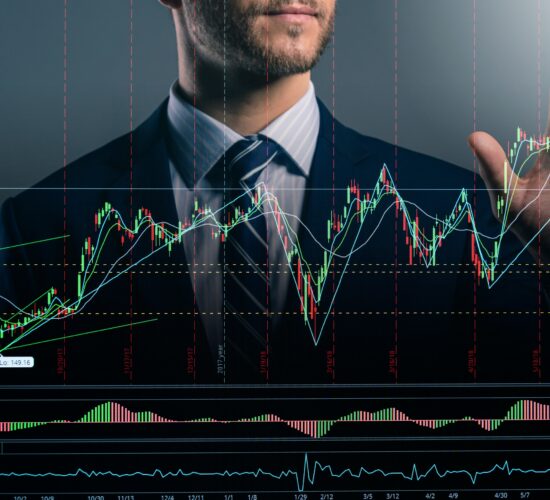
Investing for the long term requires patience, discipline, and the ability to navigate through uncertain times. One of the biggest challenges investors face is market volatility. It refers to the frequent changes in stock prices, often caused by economic events, political news, or shifts in investor sentiment. These sudden ups and downs can make even experienced investors feel uneasy.
Yet, volatility is not always a bad thing. While it can cause temporary drops in portfolio value, it also creates opportunities for those who stay focused on their goals. Understanding how volatility affects long-term strategies helps investors build a plan they can stick with through changing market conditions.
Staying Calm When Prices Move
Market volatility often triggers emotional reactions. When prices fall sharply, fear takes over. Some investors feel tempted to withdraw their money, hoping to avoid further losses. Others may chase gains when the market suddenly rises. These emotional decisions rarely help and can actually do more harm than good.
Instead of reacting to every market swing, long-term investors benefit from staying calm and steady. History shows that markets tend to recover over time. Investors who hold on through the ups and downs are more likely to reach their goals than those who try to jump in and out of the market.
Reinforcing the Need for Patience
Volatility reminds investors that long-term investing is not about quick wins. It’s about sticking with a strategy over years, sometimes decades. When prices drop, it can feel like progress is lost. But often, these dips are only temporary. Over time, the market has shown a tendency to grow, even after big setbacks.
Patience allows time for compounding to work. It gives investments a chance to recover and grow. Investors who accept that volatility is part of the process are more likely to remain confident and avoid panic-driven decisions that hurt long-term performance.
Reviewing Investment Goals
Sudden market changes often prompt investors to revisit their goals. A sharp drop in account value can be a wake-up call. It encourages people to ask whether their current plan matches their financial needs and personal comfort level. This can lead to better planning and clearer direction.
When goals are well-defined, it’s easier to stay on track during uncertain times. Whether saving for retirement, a home, or education, knowing what you’re working toward makes it easier to ride out the rough patches. Volatility can serve as a reminder to align investments with specific, realistic objectives.
Rethinking Risk Tolerance
Volatility also reveals how much risk investors can truly handle. It’s one thing to say you’re comfortable with risk when the market is rising. But when values start falling, many realize their portfolios may be too aggressive. Feeling anxious during downturns is a sign that the current investment mix may need adjustment.
Understanding personal risk tolerance helps build a portfolio that feels more stable. A strategy that matches your comfort level is easier to maintain. It reduces the chance of selling at the worst time and missing the recovery. Volatility can guide investors toward a more balanced and sustainable plan.
Highlighting the Value of Diversification
During volatile times, some parts of the market drop more than others. This helps investors see the benefits of not putting all their money into one type of investment. Diversification means spreading money across different asset types, such as stocks, bonds, and real estate. It helps protect the portfolio when one area performs poorly.
Having a mix of investments smooths out returns over time. While one asset may be falling, another might be rising or staying stable. This balance supports long-term growth while reducing the impact of sudden market shifts. Volatility underscores the importance of maintaining a diversified strategy.
Encouraging Regular Portfolio Reviews
When the market becomes unpredictable, it’s a good time to review your portfolio. That doesn’t mean making big changes based on fear. Instead, it’s about checking whether your investments still match your goals and risk tolerance. Small adjustments may help improve the plan without overreacting.
These reviews also help keep your portfolio in balance. Sometimes, after a big market move, certain assets grow too large or too small compared to your original plan. Rebalancing ensures your investments stay aligned with your long-term strategy. Volatility serves as a natural reminder to reassess your plan and make sure it’s still working for you.
Reinforcing the Importance of Consistency
Volatile markets test the discipline of even the most committed investors. It’s easy to start second-guessing your choices when prices fall fast. But long-term success often comes from staying consistent. That means continuing to invest regularly, even when the market looks uncertain.
Investing a fixed amount at regular intervals can help you avoid trying to time the market. This strategy, known as dollar-cost averaging, spreads out your purchases and helps reduce the impact of short-term swings. Consistency builds momentum and, over time, can lead to better results, even during periods of high volatility.
Creating Opportunities for Strategic Investing
Volatility can be uncomfortable, but it also creates opportunities. When prices fall, strong companies may become undervalued. Long-term investors who stay prepared can take advantage of these moments by adding to their holdings at lower prices.
This approach requires careful research and a clear understanding of value. It’s not about chasing falling prices, but about identifying quality investments that are temporarily discounted. Volatility opens the door for strategic thinking and patient buying that supports long-term wealth building.
Building Emotional Resilience
One of the biggest challenges during volatile markets is managing emotions. Fear, doubt, and anxiety can cloud judgment. Investors who let emotions drive their decisions often buy high and sell low, missing out on long-term gains. Emotional resilience is key to staying invested during tough times.
Developing this strength takes time and experience. It helps to remember past recoveries and focus on the long-term plan. Talking to a financial advisor can also provide support and perspective. Emotional resilience is as important as any technical skill when it comes to long-term investing.
Strengthening Financial Habits
Market volatility also encourages investors to improve their overall financial habits. A solid emergency fund, low debt levels, and a realistic budget provide peace of mind when markets swing. These habits reduce the need to withdraw funds from investments during downturns and offer greater flexibility in tough times.
Good financial habits work hand in hand with long-term investing. They create a foundation that supports your strategy, no matter what the market is doing. Volatility reminds us that financial health is not just about investing; it’s also about managing money wisely in every area of life.
Additional Information
- Blogs
- financial habits, political news, type of investment
- w@nSN@ng